Mishellaneous
mish·el·la·ne·ous
/ˌmiʃəˈlānēəs/
adjective
(of items or words gathered or considered together) of various types or from different sources.
"her blog was full of mishellaneous posts"

Lana Del Rey is so sad, but it’s actually political
While Lana’s new songs 'Mariners Apartment Complex' and 'Venice Bitch' remain decidedly morose, the type of sadness she is exhibiting is different.
Lana Del Rey is the musical enunciation of the sad girl on the internet. An artist who rose to fame after her DIY 2011 music video for Video Games went viral. In it we see her puffed lips pouting into a blurred webcam, singing in a grief-soaked voice of a boyfriend who is more interested in beer and Call of Duty than her, “It’s you, it’s you, it’s all for you.” In a way it’s obvious that the internet sees Lana as a sad girl, but once she’s deconstructed, it goes beyond emotion.
In Video Games, Lana announces that life is “only worth living if somebody is loving you.” Initially, Lana gained value only through her proximity to a man: she’s happy when he’s happy and sad when he’s sad. Lana’s male obsession is reminiscent of Sylvia Plath who wrote of the internal void which was filled only by her husband:
“I must get my soul back from you; I am killing my flesh without it.”
“I didn’t want any flowers, I only wanted to lie with my hands turned up and be utterly empty.”
“What did my arms do before they held you?”
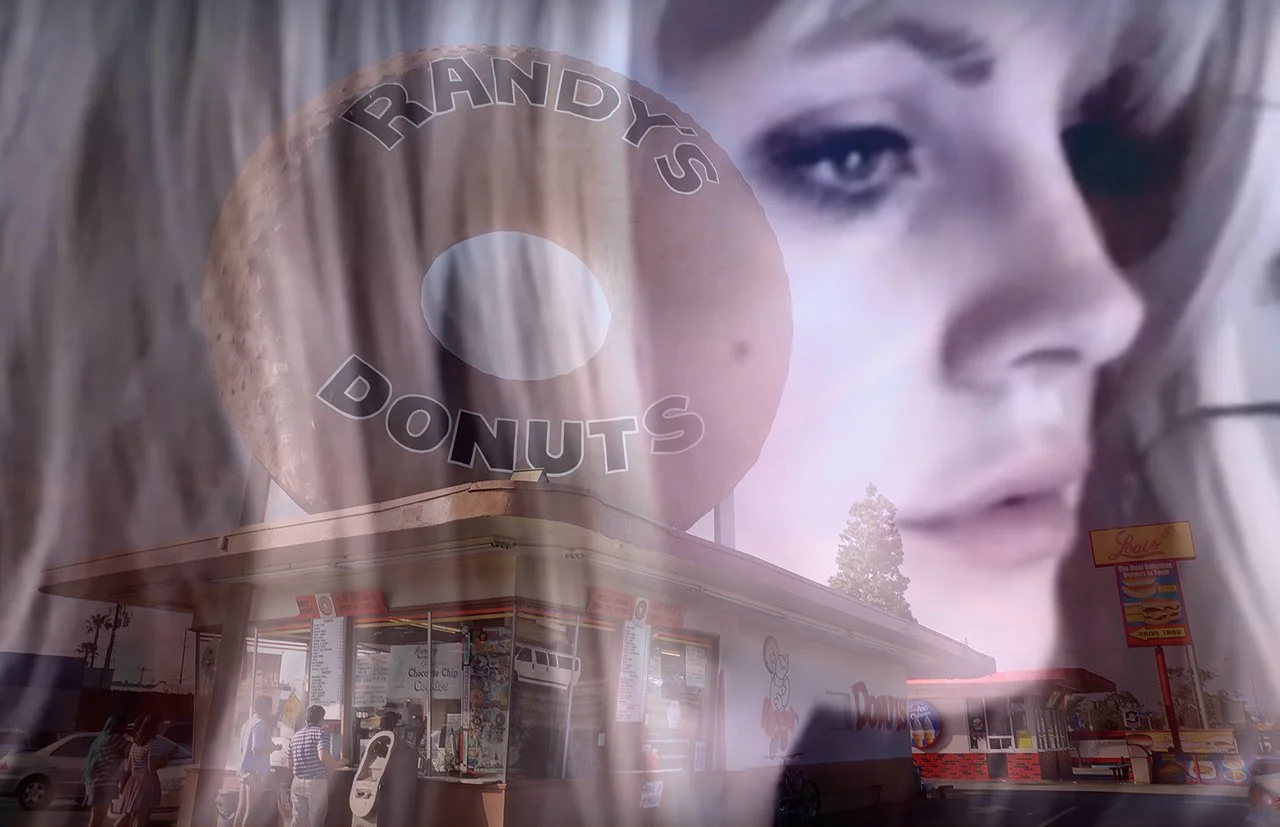
Before Lana, and since Eve, a woman’s job has been to make a man feel comfortable. We are expected to think not of our own emotions, but those of the people around us. Think of the housewife pushing homemade pastries and finger foods into the greasy palms of their guests.
“Don’t worry, here’s a napkin,” she says while baring her pearly teeth like white gravestones. Men make jokes and women ask if you want another beer. By asking women to smile, men take control of our rights to our own feelings, coercing you into a puppet show performance of shiny girlhood.
Historically, women have pushed against the requirement to be permanently cheerful. Tragic queens have laid bare the trauma of womanhood; the corpuses of Virginia Woolf, Emily Dickinson, Anna Nicole Smith, Marilyn Monroe Persephone, Queen of the Underworld are littered with the tragic realizations that to be a woman is too often to be seen as nothing but an image, and one that is valued only as an appendage to a man.
During the 90s, the feminist tradition of the sad woman got lost. Drowned out by the Spice Girls’ message of “girl power” the feminist order became that which was celebrated within Facebook COO Sheryl Sandberg’s Lean In, a book which saw empowerment as synonymous with being a good worker.
Immerse yourself into the man’s world rather than breaking the man’s world to pieces. Hire babysitters, work overtime to show dedication, and pray to the holy trinity of red wine, vibrators, and skinny lattes upon the altar of board meetings and dating apps. Those women complaining about being left behind are losers and traitors of the gender.
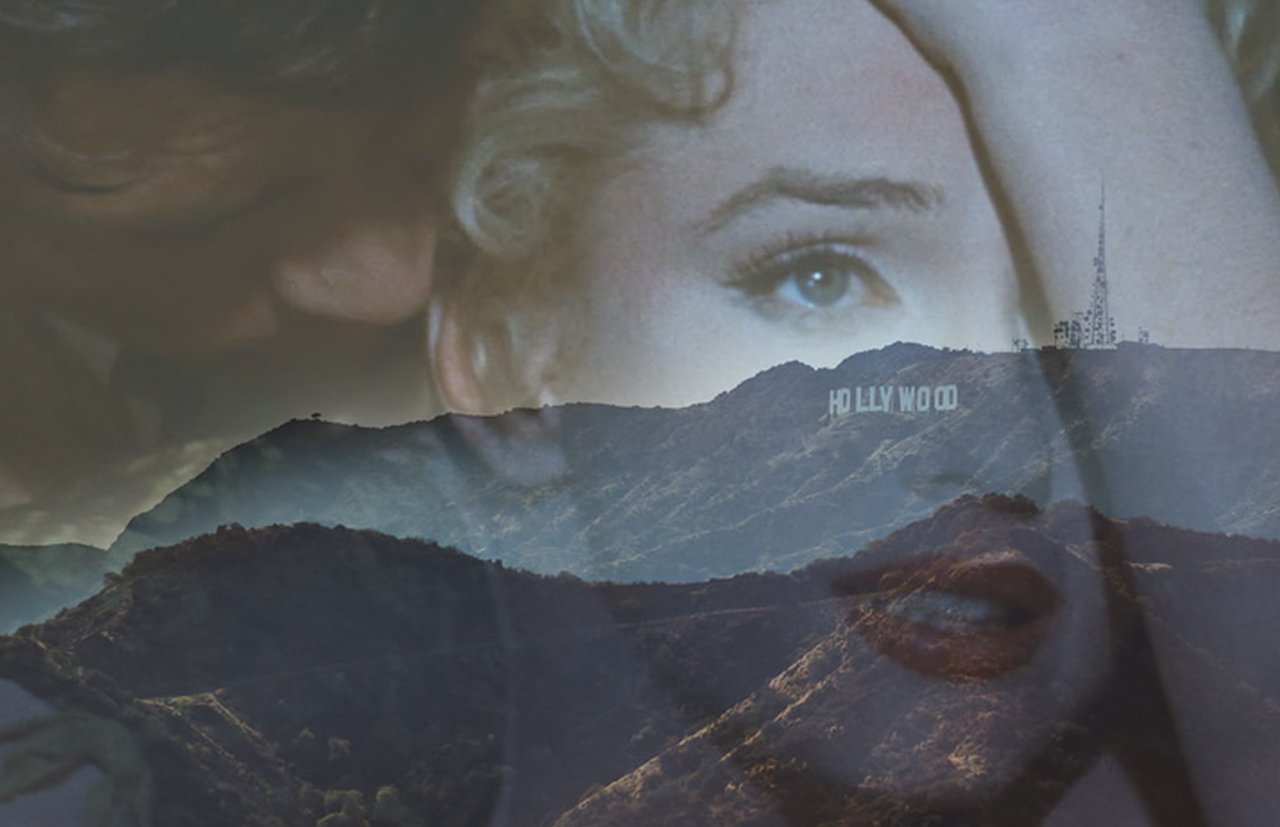
Still, many women weren’t convinced by this new idea that equality was just one suit jacket away. Men still spoke over us, touched us and did better than us. On July 5th, 2012 the Twitter account So Sad Today posted her first tweet: “sad today.”
Ran by Melissa Broder, a poet suffering from depression, So Sad Today exhibited a uniquely feminized brand of despair. Short sentences, always in lowercase as though rapidly typed out and sent before the self-doubt creeps in; her tweets show a lethargic brokenness: “bucket list: go back to bed,” pain is hidden behind nonchalance: “if i have to watch my whole life flash before my eyes when i die i’m going to be so annoyed” or internet slang: “forgive and forget jk.”
She celebrates feminine tropes even while mocking them, referencing a taste for hair straighteners or Maybelline makeup: “maybe she’s born with it, maybe she’s comparing her insides to other people’s outsides.” It’s sadness with added eye-rolling. A teenager with crossed arms chewing Hubba Bubba too loudly. We read her words and can only think: “same.”
Three years later, Audrey Wollen, an Instagram artist from L.A set out her Sad Girl Theory which identified feminine misery as a site of resistance. She told Dazed, “Girls’ sadness is not passive, self-involved or shallow; it is a gesture of liberation, it is articulate and informed, it is a way of reclaiming agency over our bodies, identities, and lives.”
In one selfie she sits on public bathroom sinks clutching a wet tissue. In the background the hollow doors bash against plastic, it looks like the smell of stale urine. Mortal_Fiber commented, “A. Let’s be grateful for waterproof eyeliner.”
Later that year more pixelated tears graced the internet. Dora Moutot, a Paris-based artist, uploaded videos of strangers crying on Tumblr for her project Webcam Tears. Moutot shows girls sobbing in magnolia painted rental apartments with smoke stains and blue tacked posters. One girl heaves out raspy breaths as Blink 182 plays from her laptop, another screams ‘you fucking’ and then finds herself unable to finish the sentence, her jaw jutting out in a grimace. Webcam Tears feels intrusive to watch, as though you’ve poked around their insides and taken a selfie in there.

“Emotions are more shocking than a dick and a pussy today,” Dara explained to Dazed. “Society teaches us that we should hide while crying and that it should not be a public act.”
Much of Lana’s sadness lies in her beauty. She might possess the glamour of a movie star draped in mink fur tying a cherry stalk in a knot with her tongue, but she doesn’t make femininity look easy. In her early days, Lana was knowingly costumed. Like Jackie Kennedy, Lana styled her hair in a bouffant, wrapped in slippery silk gowns and pale blue stiff shift dresses cinched in at the waist. Other times she looked more like a housewife addicted to Adderall, wearing fuzzy peach jumpers and pearls. Or she was a schoolgirl slobbering over a fluffy pink pen, her neon pink bra falling out in what she called her “Gangster Nancy Sinatra” look.
She screams of the sort of girl who calls men ‘honey’ and hasn’t had a good nights sleep in years. Everything looks a little too perfect and a little too labored. With her main accessory a vacant smile, Lana was an illustration of the attainment of the idealized American woman but also of the personal devastation such attainment would cause.
There’s something purposefully uncanny about Lana’s image. It’s as though if you peeled back her exterior underneath you would find gangrenous green sludge. She recalls the fatalistic glamour of Playboy model Anna Nicole Smith, who after a life in Texas serving up Jim’s Krispy Fried Chicken, married 89-year-old billionaire Howard Marshall, became addicted to prescription drugs and tragically killed herself. Her vanishing and expanding waistline laid bare the impossibility of dieting.
Nicole Smith was a woman so dolled up in fake lashes and bleach blonde hair she was effectively performing woman-woman drag. Making statements as wan and blue as her oceanic eyeshadow, Smith would tell the cameramen of The Anna Nicole Show, “You know those bumper stickers where it says ‘Shit Happens, And Then You Die?’ They should have them where ‘Shit Happens, And Then You Live’ because that’s really the truth of it.”
After Born to Die, Lana’s sadness moves from ornate to apathetic. On her third album Ultraviolence, the tempo is languid, like a prolonged yawn. “They judge me like a picture book, by the colors they forgot to read,” she coos on Brooklyn Baby in a throaty sexy baby voice. In Shades of Cool, her high pitched tremors are so fragile they’re eventually drowned out by reverbing guitars, “’Cause you live in shades of cool/ Your heart is unbreakable.” Morbidity and pain seethe through every croaked note.

Lana is a pop outlier. She emerged in a musical climate where empowerment was the predominant mode. In 2013, Katy Perry’s Roar reached number one, it’s lyrics nearing a military command to stand to attention and enjoy yourself. The soaring chorus building to a machined crescendo, even if you hate the sound of it, chances are you’ll be left writhing in goosebumps. If Katy is movement, Lana is a sloth; her music so droning that one’s response nears that of nausea.
Everything in Lana’s universe is blue — the color of sadness. There’s the blue of her lover’s Levis jeans, the Blues music she sits in a hatchback and gets high to, the washed-out blue of the careless sky above her, the iced out blue of her mood.
On the opening track of her 2015 album Honeymoon, she simply exhales: “Dah-ah-ah-ah-ark bluuuuuuuuue” and on The Blackest Day she sings, “Got my blue nail polish on/It’s my favorite color and my favorite tone of song.” Her words are so solemn she must have a permanent Seasonal Affective Disorder (SAD).
The girls in Lana’s universe don’t go anywhere, they are trapped in the grainy past of cassette tapes and first dates. They get dumped by a biker in a leather vest and drink until vodka dribbles out their nostrils. They make a lemon meringue pie, but then get too distracted to eat it. They read Walt Whitman and scribble the quotes onto their arm before having got through the first chapter. Her world of battered Americana, of Diet Mountain Dew, turquoise swimming pools and gingham two-pieces is a claustrophobic future where the floor is sticky and the walls are closing in.
What Lana acknowledges is that being a woman is emotionally taxing. It doesn’t always make you feel like a “girl boss.” It’s a guy scraping past you on the way to the club toilet and saying ‘excuse me’ while clutching your hip, it’s picking your boyfriend’s sweaty socks up cause you’re bored of asking him to move them himself. There’s value in how difficult Lana makes being a woman look. She’s where you go when you’re too tired for feminism, when you don’t want to march or sign online petitions, and when you just want to sink into a bath and run the taps until water overflows the tub.
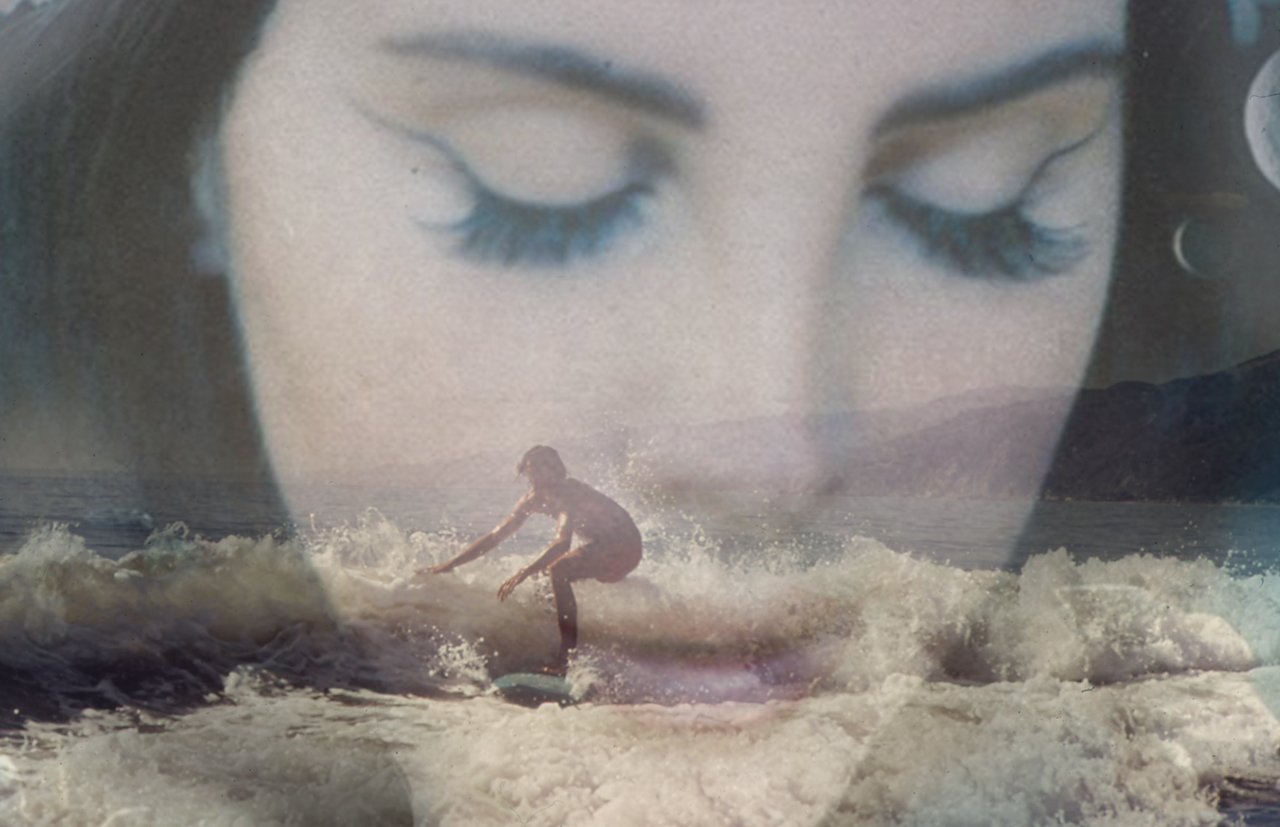
Lana’s pain has always been personal. But in 2017 something happened to Lana’s sadness. The bleakness remained, but it became less insular and turned towards the outside world. She spoke openly about hexing Donald Trump, tweeting “ingredients can b found online.” Given his comments on grabbing women’s pussy, Lana’s Lust For Life track God Bless America – And All the Beautiful Women In It appears as a direct affront, as does When the World War Was at War We Just Kept Dancing where she wonders, “Is this the end of an era / Is this the end of America?”
She appears on the cover of her new album Norman Fucking Rockwell (to be released early next year) makeup free. Granted her face still glows in the manner of someone who religiously follows a 10-step skincare regime, but her skin is missing the excessive powdery pink blush. Her 50s style flat iron waves are replaced by a simple bob. I’ve never seen someone look more strange in a t-shirt.
On her new release Mariners Apartment Complex, a 70s rock ballad with tender strings, she tells us she is not who we think she is — she’s tougher: “You took my sadness out of context/ At the Mariners Apartment Complex/ I ain’t no candle in the wind” before singing, “You’re lost at sea, then I’ll command your boat to me again.” Throughout the song, she whispers to herself in a breathy purr, “I’m your man.” Her voice sounds fuller and more self-assured than ever, as though she’s dressed a white lace veil, announcing wedding vows to herself. Lana doesn’t need a boy to lean on anymore, she’s her own lover.
On Venice Bitch, another Norman release, Lana might call herself “ice cream, ice queen” but she paints an image of herself as infinitely less cold: “Fresh out of fucks, forever/ Tryin’ to be stronger for you.” As the song bleeds out into hazy synth guitars and soft harmonies, we see Lana’s VCR recording dissolve into prolonged shots of vintage cars wiggling down motorways. Where they are heading is unclear — perhaps they are looping back around into Lana’s claustrophobic world of Parliament cigarettes and brown lip liner, or maybe they’re driving somewhere new, somewhere where women actually have something to smile about.
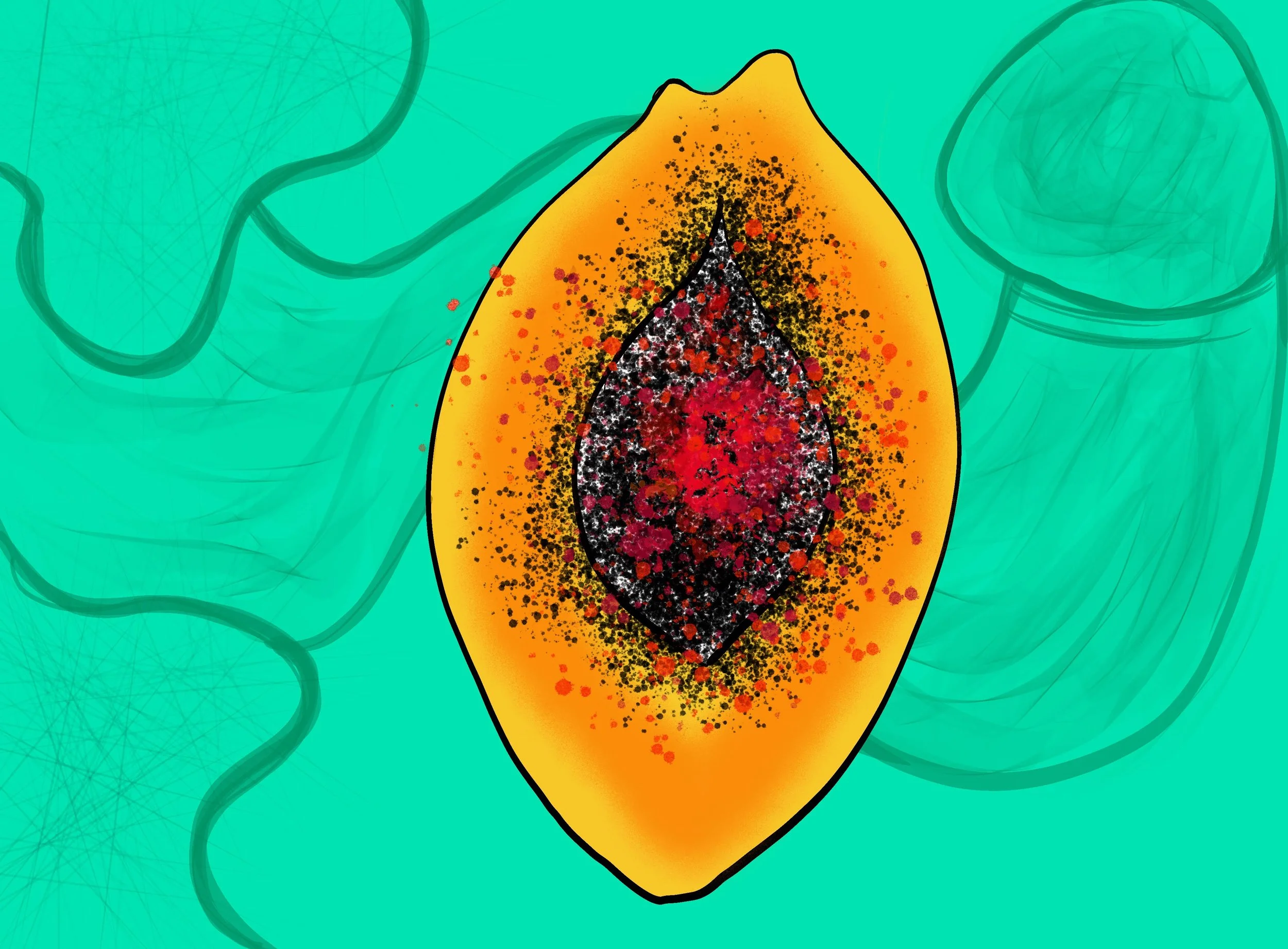
What’s the Deal With Painful Sex?
When I try and pronounce dyspareunia, the only real thing that comes to mind is despair or desperation…
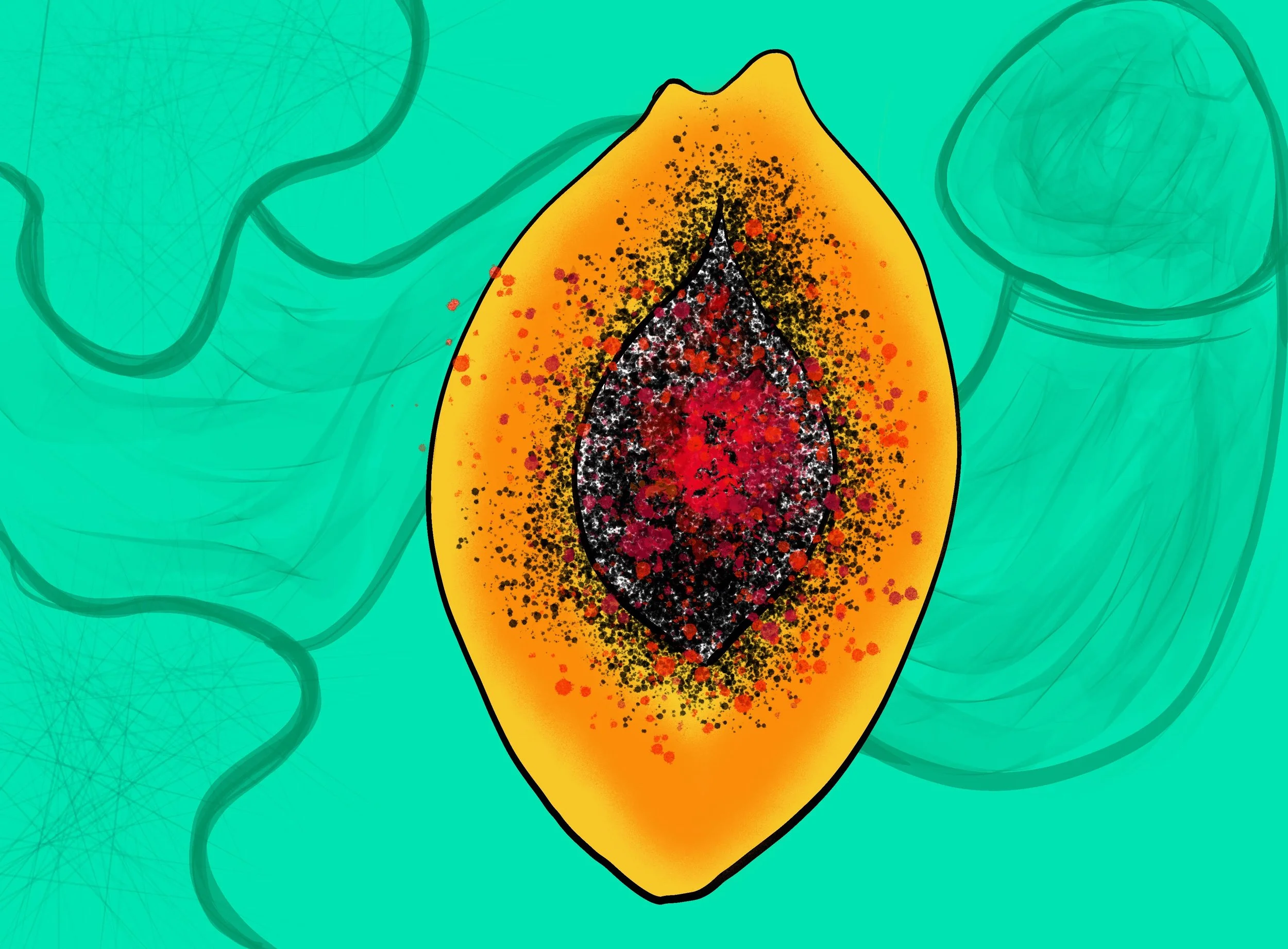
When I try and pronounce dyspareunia, the only real thing that comes to mind is despair or desperation –– and not just because those words mimic the sounds in my head. A diagnosis with a name that doesn’t exactly roll off the tongue makes it all the more difficult to wrap our heads around painful sex as a real health issue. For many women, simply discussing sex is taboo enough to make them stay quiet, regardless of whether something burns or aches after intercourse.
Dyspareunia on its own is not enough of a diagnosis or answer as to why so many women feel pain before, during or after sex –– in fact, there are too many different reasons why. A quick Google search on 'why sex hurts’ may result in things like vaginismus, endometriosis, lack of lubrication, irritable bowel syndrome, interstitial cystitis, pelvic inflammatory disease — the intimidating list goes on. The internet isn't necessarily a glorified space where all is king; however, it has shed some light on the iniquitously ignored health issue that is painful sex. It’s also a beacon of hope for women who feel less than enough because they cannot perform sexually.
Before understanding this pain as a true health problem, I carried an ample supply of sexual anxiety. I feared my inadequacies brought on all the pain I ever felt. Nevertheless, that uncharted territory never kept me from being drawn to men I found attractive and the experiences that followed those impulses.
Having sex was like a game of Russian roulette for me. I never knew what level of pain I'd have to endure. If I was lucky, it was a silent burn or discomfort. If I was not so fortunate, I'd usually cry alone on a bathroom floor, unable to walk because it hurt so bad down there, while simultaneously hoping the guy in the other room didn't think I was weird or taking a shit. Because women don't poop, and they are always virgins but fuck like they've been doing it for years.
As far back as recorded history can take us, women have been suppressed and defeated time and again. When it comes to sex, the female orgasm generally falls to the bottom of the priority list. Faking it and bearing it played a significant factor in too many of my sexcapades because anytime I'd tell them the sex hurts, they'd come up with an idea beyond vapid: just relax or try using lube. I can't say I blame any of my partners for their ignorance or lack of genuine interest in my pleasure since it most likely stemmed from generations of misogynistic men wrapped up in their own hedonism.
Granted, there is also very little research on why sex can be painful –– even though three in four women will experience it. While boys hear about erections and sensual pleasure, girls learn to get ready for a painful and potentially bloody first time. From the start, women are hardwired to ignore physical distress, especially if they want to avoid being seen as a prude or tease. This very expectation of sex involving some discomfort leads women to believe pain is normal every now and then.
Although equality among the sexes is a more prevalent issue now, it hasn't stopped women from faking their orgasms or staying quiet. Women still take hours to get ready for dates, and we partially have our hope for some sensual experience to thank. But then why fake it or throw all that effort out the window? More likely than not, we put up with too many things thanks to an ancient social bargain where women trade confining sex positions for congenial social ones. It might not always start this way, but too many times, if our libido is not collecting, we may turn to old ways of reasoning — tolerate discomfort and find satisfaction in our partner's pleasure if the social conditions require it.
This disconnect of feeling intense attraction and not always acting on it flawlessly was further complicated by my subconscious urge to blame myself or my partners. Of course, that sabotaged any chance at developing a meaningful relationship.
A few years ago, my then-boyfriend and I decided he should head back to his apartment early, seeing as we were both feeling defeated and drained from our failed attempts. I dealt with our undeclared tension by pairing a glass of merlot with “Sex and the City” reruns.
“I have an entire file of women all with the same symptoms. Itching, stinging, burning. All of them think they have a yeast infection. It’s not. It could be vulvodynia,” Charlotte’s gynecologist said in episode two, season four.
That SATC episode “The Real Me” aired in 2001, but when I saw it by chance that pleasureless night in 2015, I couldn't stop Googling 'vulvodynia' –– and for years, that's what I thought I had. In the midst of that dying relationship — due to apparent sexual incompatibility — I still felt comforted and less alone than I had in a long time. I felt normal because my 'thing' finally lived outside my overthinking and on actual doctor's charts and lists of obscure diagnoses. My pain had a name.

Like all good things, that momentary relief didn't last long. A bit of humor and irony is all the episode offered. One visit to the gynecologist later and I was yet again left with feelings of disappointment as she told me there was no cure for vulvodynia. She so innovatively suggested I try new ways to relax before intercourse and use a lubricant to make insertion easier. According to her, there was also no way to be 100 percent certain vulvodynia is what I even had. So, there was no use in "overreacting."
Still, I had gained a new awareness. By tirelessly Googling vulvodynia, I came across tons of other stories and diagnoses around painful sex. It wasn’t until I started reading articles, listening to podcasts and engaging with online communities that I felt inspired to find a solution regardless of any potential letdowns. My hunt for answers brought on new anxieties as I curated a list of possible reasons that included sexually transmitted diseases, vaginal or pelvic infections, ovarian cysts, cancer and so on.
Tens of thousands of dollars in hospital bills and a few years later, I reverted to an answer I didn't know I already had. This pain I felt — and still feel most days — was my body's response to my anxiety, sexual trauma and reluctance to believe I was capable of a healthy and satisfying sexual relationship. As counterintuitive as it may sound, I was handicapping any possibility of a positive sexual encounter by thinking about my negative sexual encounters. Although the solution to my problem seems so blatantly obvious and easy to fix, it's just not easy to exit the loop.
When my vaginal muscles involuntarily contract, it’s vaginismus. When I feel burning, irritation and cramping, I call it vulvodynia. And when it's a mix of these things coupled with major discomfort and bathroom hideouts, it's dyspareunia.
Finding the strength to realize my inability to have painless sex consistently starts from within is a step in the right direction. However, the battle of having that steady flow of pleasure is the only constant thing about my sex life. Like so many women who have undergone sexual trauma, it's easy to let those moments and reactions subconsciously resurface in unexpected ways. For me, it's sex pain or whatever fancy name you want to call it.
For all the concerned do-gooders inclined to remind me or any other woman to simply relax, I hope this piece helps you realize that relaxing is as easy a feat as winning an Olympic gold medal is for some.
As conversations about sex have become more mainstream, so too has the discovery that women who deal with intercourse pain are neither alone nor broken. Without the power and support of search engine results and communities, women, like me, felt alone in dealing with their inner-dialogue directing conversations of why they aren’t turned on or wet enough and ridiculous notions of libido-boosting remedies and how-tos.
So, although painful sex is more openly discussed, it should not in any way be taken lightly. It is a real health issue that should never be ignored. Although it may take some patience and digging to find out what your sex pain is and where it stems from, just know you’re not the only one. Finally, we can find solace knowing it's not just in our heads or that it's not just a singular biological defect or fluke.
I wish it were the world's reflex to encourage women to listen to their bodies. It would be ideal if there was space for women to understand pain is not normal. Imagine a place so supreme it's common knowledge that what feels good for men doesn't always feel good for women.
Unfortunately, those aren't popular teachings we are graced with by society. Talking about sex, the pain or discomfort that follows it and all the other 'cringey' details is challenging. The open and honest dialogue we're finally having around sex and sex pain is great, but next time we have the predisposition to judge a woman on why she didn't instantly speak up about her distress, let's also reckon why our society directed her for centuries to disregard the signs we're blaming her for not recognizing in the first place.

Is the Fashion Industry Still Failing Trans Inclusivity
Despite a previous lack of media coverage, trans models aren’t exactly a new phenomenon – it’s just that, in the past, they’ve had their careers ruined by transphobia.
When Alejandra Muñoz was just 14 years old, she had her brief career as a professional model cut short. “I told my agency I was going to transition, so they threw me out,” she recalls. “They weren’t disrespectful or anything, they just told me I wouldn’t book any jobs – they didn’t even see it as a possibility.”
Now, 24-year-old Muñoz has a fashion degree from London’s prestigious Central Saint Martins under her belt, as well as regular modeling gigs for industry trailblazers like design duo Art School. “It used to be that, no matter how pretty you were, there was no chance,” she continues. “But some of the world’s biggest agencies have trans models on their books now. That’s kind of amazing to me!”

LAVERNE COX AND AUREL HAIZE ODOGBO
Naturally, decades of activism have facilitated this rise, but a tangible turning point came back in 2014, when TIME Magazine chose actress Laverne Cox as a cover star. The headline boldly declared a ‘Transgender Tipping Point’, whereas the cover story delved deeper, identifying a combination of shifting attitudes, digital activism and increasing trans representation as a catalyst for lasting change. A year later, Caitlyn Jenner seemingly confirmed this theory with her historic Vanity Fair cover story.
Gradually, a handful of trans pioneers began making headlines – especially in the fashion industry, where models like Hari Nef, Aurel Haize Odogbo and Andreja Pejić were carving out impressive portfolios. Meanwhile, designers like NO SESSO (a duo made up of Pierre Davis and Arin Hayes) and Gogo Graham were met with similar acclaim for their conceptual, innovative collections, which seemed to indicate that fashion was on the cusp of becoming a blueprint for genuine trans-inclusivity.
Since then, a global shift towards right-wing politics has changed the cultural landscape. Trans rights have been rolled back and hate crimes have risen swiftly. In this climate especially, the fashion industry needs more than ever to make a statement of solidarity.

HARI NEF
Arguably, progress has stalled over the last few years. But there have still been major steps forward, one of which – SLAY Model Management, the world’s first specialist agency for trans and genderqueer models – was founded by Cecilio Asuncion back in 2015. He first made inroads with the trans community while filming 2013 documentary What’s The T?, which introduced him to a network of trailblazers and crucial non-profit organizations like Trans:Thrive.
Throughout filming, he became convinced that trans talent had the potential to make the same impact as ‘90s supers like Naomi and Linda, they just weren’t being spotlighted. “I just figured, why not? A lot of trans women have that same physicality, so I just started scouting them myself.”
Within months, Asuncion had built an agency and landed a reality TV deal with Strut, a series which tracked the lives and experiences of SLAY’s models. “I get around 10-15 applicationg per day, which shows that people know about us; they know the roster is working, and that there’s a home for trans models and their careers.” In fact, demand has grown to the extent that the agency will launch its first model search on February 15th. “We got 500 applications, which we’ve whittled down to 25,” he tells me, the excitement in his voice palpable. “It’s not just U.S. models either – there are women from the UK, Hong Kong, the Phillipines… I’m really proud of that.”
Asuncionunderlines that, despite a previous lack of media coverage, trans models aren’t exactly a new phenomenon – it’s just that, in the past, they’ve had their careers ruined bytransphobia.
A designer who knows this from experience is Vin, co-founder of elusive label Vin + Omi. “We’ve used trans models for decades, and attitudes have definitely changed enormously,” recalling that buyers would explicitly tell them not to use trans models. But the brand has always prioritized progressive values, namely inclusivity and sustainability. “We never used to listen to them – we’ve always been about mixing things up.” This means doing more than just casting trans models; it’s about building a diverse team across the board. “A large number of people we work with don’t identify as cisgender, which is great. They actually sometimes work out their own journey through talking to us, because we’re with them a lot – sometimes 12-hour days. It’s really about an exchange of ideas, not just about focussing on sales or trends.”
But Muñoz explains that this diversity rarely extends to positions of power, especially in influential houses. “Those important roles are nearly always given to white men,” she explains, “which means that trans representation often comes through a straight, cisgender lens. That’s important. We don’t get to tell our own stories, and these straight, white guys get to cash in the coins!”
This isn’t just a diversity issue, either – it’s about the quality of the work. Muñoz created a stellar graduate collection with daring, low-cut silhouettes, anime-style aesthetics and genuinely innovative looks. “It was technically womenswear, but I chose a lot of androgynous models because I thought it was important to represent that transition period of a trans woman’s life. Plus, I think bringing that masculine element to womenswear is actually quite sexy.” In her eyes, cisgender designers tend to play it safe or tread on eggshells. She points to the rise of high-street ‘unisex’ collections as an example: “These big corporations make them as simple and safe as possible to cash in on the concept, but they move away from the core idea: it doesn’t really matter what you wear.”

NO SESSO SS20 AND VIN + OMI AW20
Arguably, the industry is still struggling to move away from tokenization. Asuncion says he has various returning clients, but wants to see a commitment to constant representation: “Don’t just cast our models for Pride season, or try to find a model that looks ‘trans enough’ that you can have bragging rights,” he urges. “Hire them because they’re beautiful, not because they’re trans.”
Muñoz concurs, expressing optimism that designers are increasingly moving towards co-ed collections. “I walked during this last menswear season, which was interesting, because it really does feel like that concept is dying,” she explains. “I really do feel like fashion will just start merging, in all aspects.”
Despite progress, there are still suspicions of tokenization which will only disappear over time. Headlines recently misidentified Pierre Davis of NO SESSO as the first trans designer to show during NYFW, which was untrue. That honor probably goes to Gogo Graham – but ultimately, the ‘first’ shouldn’t matter.
“It shouldn’t just be about ‘firsts,’” concludes Muñoz, who argues that press coverage often minimizes the talented designers lost in the headlines. “We’re finally starting to be accepted and allowed to live normal lives, but it does still feel like trans models are being made to fight for the same spot.” Ultimately, her wish is to see trans success stories normalized, so that the people behind them can be treated like just any other talent. “There has definitely been a start, but ultimately I want to get to the point where we’re just considered as ‘models’ or ‘designers’ – without that ‘trans’ label attached.”

Fashion Documentaries: Why Aren't They More Critical?
The history of fashion has been captured for decades in runway photographs, detailed interviews, and news articles. But fashion documentaries are another thing altogether…
The history of fashion has been captured for decades in runway photographs, detailed interviews, and news articles. But fashion documentaries are another thing altogether, with a long history of a lack of criticality: Robert Altman’s light Ready to Wear film (1994) was reviewed as uncritical, and the same goes for Isaac Mizrahi’s documentary Unzipped (1995), which follows the designer in the 1990s, as his staff carefully deconstruct the designer’s genius (without getting fired). Film critic Janet Maslin called the fashion documentary Catwalk (1996) a “wildly uncritical look at the Milan, Paris and New York fashion shows,” adding that models are “like the world’s most spoiled sorority sisters.”
Have fashion documentaries always been this uncritical? Just fluffy marketing material used to sell more clothes? The price that filmmakers pay to gain behind-the-scenes access to sacred fashion houses is often, flattering portraits. As the New York Times notes, “any fashion brand in possession of a good story must be in want of a documentary.”

MANOLO: THE BOY WHO MADE SHOES FOR LIZARDS, 2017
Over the past years, there has been a new wave of fashion documentaries, from Maison Margiela to Olivier Rousteing, Manolo Blahnik, Dries Van Noten, Zac Posen, and Ralph Lauren. And this year, expect new documentaries on French designer Pierre Cardin, as well as fashion blogger Chiara Ferragni. They may get to show off their chic taste and extravagant lives, while offering a sneak backstage to the fashion world. But they seldom offer more than a glamorized, cursory look at their subject.
There’s a recurring motif of “designer puts together their last show ever.” Valentino: The Last Emperor follows Valentino Garavani as he stages his last show in 2007. It’s a similar format for the Yves Saint Laurent documentary, Celebration, which steps into the designer’s studio as he stages his last runway collection before retiring in 2002.

MCQUEEN, 2018
After British designer Alexander McQueen’s passing in 2010, the McQueen doc was released, detailing his archives, making it feel like a museum exhibition on the screen. McQueen as a tortured genius, but the question arises — when does a director focus on someone’s personal troubles, their rise and fall, rather than what makes them so special as a designer?
Most of the recent fashion documentaries feel to lack in the risk-taking department. They don’t shake things up, are careful to protect the brand, and never really tell the full story. Is this the future of fashion storytelling? Does a director only get approved for access if the documentarian’s message is “on brand?” Then why are these films being marketed as the “designer in his own words,” if the director gets final word?
Take the new Maison Margiela documentary Martin Margiela: In His Own Words, as he walks us through his childhood love of fashion, his collections from the 1990s, which are kept partly in shoeboxes, but respects the legendarily reclusive designer’s request to leave his face out of the entire film. The documentary lags in parts because of that, but also, it doesn’t challenge why the designer (who retired years ago) so desperately still wants to protect his image. He isn’t Daft Punk, right? He’s less likely to get mobbed on the streets.
Olivier Rousteing, the 34-year-old director of Balmain and close friends with the Kardashians, was the subject of a recent documentary called Wonder Boy, which premiered at Paris Fashion Week last fall. It squares in on Rousteing’s family origins as an adopted child, chasing his Somalian-Ethiopian roots. It’s also about his social profile. “People don’t label Balmain, but they label me, because of my social media,” he said in an interview. “They think I am the designer who loves myself, because I post so many selfies.” His millennial narcissism is unpacked, but how exactly he climbed the ranks of the Parisian fashion world is less touched on. The director Anissa Bonnefont said she had the approval of the “final cut,” but she also admitted to becoming like a sister to the designer over the course of shooting in 2017 and 2018, meaning it was subjective.
Dior and I, the 2015 feature on how “stressful” the luxury fashion house gets, shooting behind-the-scenes with Raf Simons. A review claimed it didn’t take risks, a shallow fantasy of fashion that “uncritically embraces the values of that industry.” It goes to show how a rare, up-close portrait of a legendary fashion house comes at a price, which often means the film won’t be edgy or rock the boat.
Even the recent Vivienne Westwood documentary Westwood: Punk, Icon, Activist, was criticized for failing to ask big questions, a mediocre bore for the punk designer with a confrontational ethos. Even Westwood herself was disappointed that more of her environmental activism wasn’t in it.
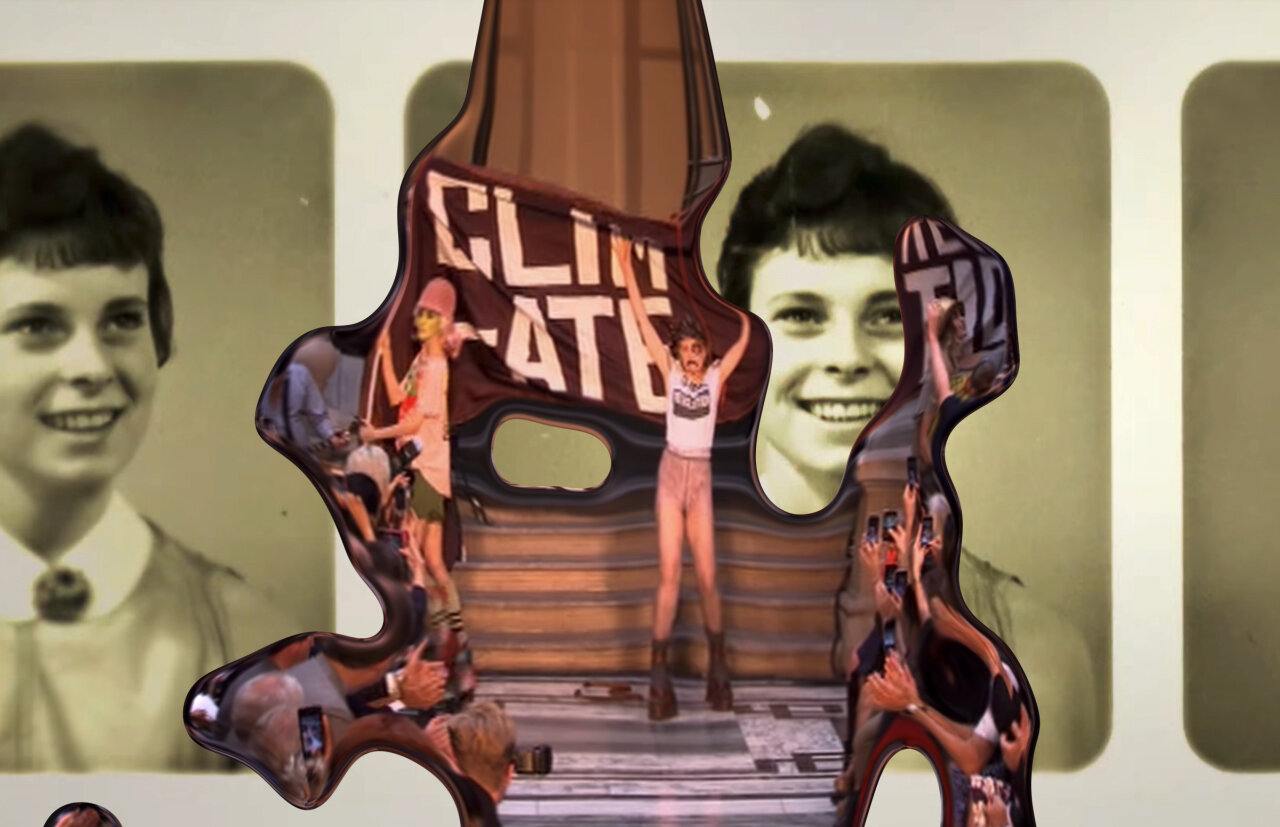
WESTWOOD: PUNK, ICON, ACTIVIST, 2018
But what about challenging the geniuses behind the brands? One documentary which questions them is the Roy Halston Frowick documentary, entitled Halston, which premiered at last year’s Tribeca Film Festival. The filmmaker Frédéric Tcheng follows the New York designer’s career trajectory through 1970s on Wall Street, but also his drug addiction and the biggest mistakes he made in his career, whether it was licensing and legal mishaps, to losing control of the company because of bad hires, his domineering management style and friends who turned on him. It’s a powerful documentary precisely because it provides a balanced argument for the viewer to decide if he was a genius, a monster or both.
The Laurent documentary, directed by Olivier Meyrou, was meant for release in 2007, but was so critical, that Laurent’s business partner Pierre Bergé stopped it from being released. It wasn’t until shortly before Bergé died that he agreed to release the film. When it screened last fall, it showed how reclusive, ill and withdrawn Laurent was, while Bergé bossed around staff. It’s easy to see why it is controversial — it exposed who really ran the company, and how toxic it was. In a similar vein, The True Cost (2015), which takes a critical look at clothing sweatshops in India, exploitation of workers’ rights and the cost of pollution, and fashion business ethics, feels more honest than most of the fashion documentary releases we see.
It seems worth noting that the documentaries on the great women fashion designers, like Donna Karan, Stella McCartney or Miuccia Prada, are largely absent from the canon. While many films focus on fashion editors like Diana Vreeland, Anna Wintour, Grace Coddington, and Carine Roitfeld, women designers are largely left out of the conversation. We’ve still got work to do.
CBD: Before, during and after sex
CBD won't immediately make your partner finish, but it can enhance sex enough that it does happen eventually. As a regulator, CBD can also help an overly-excited male relax and last longer. But how exactly does CBD do this?

“Physical intimacy isn’t and can never be an effective substitute for emotional intimacy.”
CBD has helped countless people achieve a state of balance in their overall wellness. In recent years, researchers have studied the effects CBD has on several matters like joint health, mood control, sleep, and now sexual wellness. Considering sex is human nature, it was only a matter of time before we began to investigate the links between CBD and sex.
Can CBD make you last longer or improve sexual stamina?
Does CBD promote confidence during sex?
How can CBD improve my sex life?
These are just some examples of essential questions starting to surface. It's astounding how many people are turning to CBD on their journeys to better sex––and rightfully so, considering the benefits of integrating CBD into your sex life can make a huge difference.
CBD can help with orgasm syncing, removing performance jitters, improving connection, increasing intimacy, easing discomfort, and more. If you're reading this, you're probably wondering if CBD oil can transform your sex life. So, let's get to it.
Why are people using CBD to improve sexual performance?
Most people can agree the best kind of sex happens when both partners orgasm. However, that doesn't always happen. Too often, men worry about finishing too soon while women wonder how long it will take them to finish, if at all.
CBD won't immediately make your partner finish, but it can enhance sex enough that it does happen eventually. As a regulator, CBD can also help an overly-excited male relax and last longer. But how exactly does CBD do this?
Believe it or not, the endocannabinoid system (ECS) plays a massive role in the orgasm process. 2-Arachidonoylglycerol (2-AG), is an endocannabinoid that spikes during orgasm. When this happens, 2-AG activates receptors in the brain's pleasure circuit.
Immediately after finishing, a sensation of bliss usually settles in. You might think it's endorphins, but it's actually an endocannabinoid known as the "bliss molecule" or more formally, Anandamide.
2-AG and Anandamide are two of the most abundant endocannabinoids that we know of. We also know that Anandamide and 2-AG both play a major role in the "rewarding consequences of sexual arousal and orgasm."
Since reaching orgasm is a mental journey as much as it is physical, thoughts and mood often get in the way of a person finishing. Performance anxiety is a common problem that induces worry, fear, and insecurity. These mental barriers keep the body from naturally releasing 2-AG and Anandamide.
Because these chemicals are imperative in experiencing pleasure, it's essential to remove over-thinking to reach an optimal level of intimacy.
If you couldn't tell by now, the ECS is a relatively complex network of neurochemical pathways in the brain. So, when cannabinoids, like cannabidiol (CBD), stimulate these pathways, the door opens to a variety of positive and pleasurable effects.
Scientists believe the manipulation of a human's response to sexual pleasure using cannabinoids could help users replicate that "reward" reaction.
While the ECS does have a hand in pleasure, it's the sexual inhibition system (SIS) and the sexual excitation system (SES) that are responsible for regulating sexual desire. In layman's terms, the SIS inhibits or discourages sex, while the SES excites or encourages sex. When the SES and SIS are in harmony, the desire to engage in sexual activity is prominent. All that's left is initiating the act.
An open line of communication and a splash of confidence can drive sexual desire to inception. However, if overthinking is at large, the SES loses power and allows the SIS to take over.
CBD is already known to help reduce nerves and ease the weight of mental tension. When it comes to better sex, CBD can be a game-changer as it relaxes the mind and body, allowing confidence to flourish.
A person who is confident and more at ease is more likely to perform better. Better performance leads to better sex, which makes orgasms a lot more likely for everyone involved.
And that my friends, is the start of how CBD improves sexual performance.
Can CBD Make You Last Longer?
CBD can help enhance sex, but can CBD make you last longer? It just might. CBD promotes homeostasis––a state of balance in the endocannabinoid system (ECS)––which helps minimize swelling by encouraging healthy blood flow.
Blood flow is often linked to an increase in sexual stimulation, which is necessary as the body prepares for sex. You might think proper blood flow only applies to the men in the room, however, when women become sexually aroused, blood rushes to their clitoris and vagina.
For women, blood flow helps the vagina prepare for insertion as it opens, elongates, and becomes naturally lubricated.
In a similar regard, men will have greater success getting or keeping an erection if their blood is flowing correctly.
CBD helps stimulate the release of neurotransmitters, like nitric oxide, which allows the blood vessels to relax, dilate, and swell with blood. When CBD is applied to the genitals, it acts as a vasodilator. This invites oxygenated blood to flow through the body, and our sexier parts, much easier.
When both parties take CBD prior to sex or use it topically, they improve their chances of allowing blood to flow better in their penis and vagina. When there's good blood flow down there, it can undoubtedly lead to longer-lasting sex.
Can CBD Make Sex Better?
So far, we've learned CBD can make sex better by reducing nerves, boosting confidence, eliminating discomfort, improving chances of climaxing, and promoting healthy blood flow leading to increased stamina and happy partners. Instead of using alcohol or other substances to get in the mood and mindset, CBD can provide the same effects plus some benefits and minus the hungover regrets.
Could there possibly be any other benefits to using CBD to enhance the sexual experience? Definitely, and here are a few:
CBD and Post-sex Recovery
Taking CBD not only helps improve sex in itself, but it can also help reduce things like soreness, exhaustion, and discomfort. Several users experience feeling less sore after using CBD oil for lube or even ingesting CBD oil, which helps relax the muscles, joints, and mind. Combining a physically relaxed state with all the hormones released during sex can help tremendously with recovery after sex. CBD can also regulate irregular sleeping patterns, so incorporating an edible, vaporizer, or a CBD-infused lube during foreplay can improve post-sex sleep.
CBD and Uncomfortable Sex
A lot of women struggle with painful sex, which makes them worry with anticipation. Many fear they'll never have a regular sex life. With thoughts like these racing through the mind, it can be increasingly difficult for a woman to get in the mood.
A woman's estrogen levels can alter their endocannabinoid system and have a significant impact in reducing low mood to boost libido or sex drive.
Postmenopausal women with low levels of estrogen are likely to develop nerve densities in the vagina. This means natural lubrication becomes a thing of the past and painful sex a thing of the present. Many times, being unable to lubricate naturally is the culprit that prevents women from enjoying sex as it causes pain from the friction.
However, women have shared many positive results after using a CBD lubricant, and even more so when they combine it with other CBD products. Applying CBD oil on a female's genitals can help improve the flow of blood while stimulating an increase in natural lubrication. Studies also propose that CBD oil can help with swelling, removing another obstacle that might be keeping a woman from reaching orgasm.
CBD and Improved Sexual Intimacy
Many will agree that the key to great sex with a long term partner is a good connection. Much of this is thanks to oxytocin, a hormone that plays a role in social bonding, sexual reproduction, childbirth, and the post-pregnancy period.
Remember that "bliss molecule" from earlier? Like oxytocin, the neurotransmitter Anandamide released after sex also helps create and strengthen the bond between partners. CBD enhances Anandamide, which supports a positive connection post-sex.
CBD helps with self-consciousness and overthinking by promoting a sense of calmness throughout the body and mind. Without thoughts getting in the way, communication opens. Being able to communicate openly with a partner is the best way to boost sexual intimacy, physically and mentally.
Incorporating CBD into your sexual routine can jumpstart a healthy cycle, you'll wish you started sooner.
CBD Products For Better Sex
When used during foreplay, a CBD-infused lubricant can intensify sensations and orgasms by removing discomfort and promoting healthy blood flow in the genitals.
CBD can be used as a natural aphrodisiac in various ways, including CBD vaporizers, CBD-infused edibles, full-spectrum CBD oil, CBD-infused lubricants and CBD bath bombs, to name a few.
If you're already between the sheets, try using a CBD body oil to help relax any muscle tension, creating a more sensual experience.
Feeling parched post-sex? CBD water will not only keep you hydrated, but it will travel through your bloodstream, further enhancing the benefits of any other CBD product you might've used during foreplay.
Before getting frisky, just remember to read each CBD product carefully and follow all recommended dosage guidelines. Whatever you use to make sex more enjoyable, just remember not all CBD oils, lotions, or creams can be applied directly to the genitals.
Written for Cheef Botanicals

The Rise In Millennial Occultism
“The attempts to understand magic and occultism offered a means of control to those without financial freedom and social or political influence, much like oppressed women.”

Legend of the Witches (1970)
Occultism has piqued public interest during moments of social crisis and cultural confusion. During the late 19th century, before the American Civil War, millions of Americans became active participants of Spiritualism. In the early 20th century, there was an occult revival in Russia as a response to the diminishing plausibility of the Russian Orthodox Church. And at the helm of second-wave feminism and the Vietnam War, witchcraft and satanism thrived in a torn America.
Witchcraft, specifically, has seen the rise and fall of its collective interest in cyclical nature, one that’s arrived every 20 years following American hysteria in the mid 20th century. More often than not, patterns of magical practices align neatly with the evolving perceptions of women’s roles in society and feminist thoughts.
The underground re-emergence of occult intrigue in the 1970s paralleled the resurgence of feminism. As the tendrils of witchcraft trickled back into the mainstream narrative, the witch became a supreme feminist role-model, exuding independence and inner strength, encouraging equal rights movements.
The attempts to understand magic and occultism offered a means of control to those without financial freedom and social or political influence, much like oppressed women.
As the Reagan era introduced economic growth, the seventies spirit of radical social change dwindled. People became comfortable and, for a while, left the witch-craze resting in the shadows.
Some two decades later, magic permeated 1990s popular culture with TV shows and films like Charmed, Practical Magic, The Craft and Sabrina the Teenage Witch. These paganistic productions personified witches as self-ruling women emanating power, never to be underestimated by their unaware male counterparts.
Perhaps it was a sense of mass disillusionment in the nineties that called for a supernaturally-charged counterculture. Whatever the reason, these subversive plots showed a new generation how to harness the power within.
Considering the way witchcraft was introduced to millennial women dovetailed with their liberal interests, the exponential rise in the witch aesthetic makes complete sense.
Sarah Bailey and Sabrina Spellman, amongst other teen witch heroines, made it enticing to embrace individuality. They displayed qualities of the everyday teen, making their world behind the screen seem within arm’s reach. It was that relatability that gently reintroduced the occult as a safe space for anyone.
The nineties witch imprinted on so many, a barely-noticeable, canny and sophisticated inner-power. Over time, those witch-like inclinations never entirely abandoned anyone.
Millennials––and Gen Zers––with magical foundations and who are already deep into new-age spirituality and exercise mindful practices, like manifestation and yoga, are more likely to explore the roots of witchcraft further.
Stepping into the world of the occult hardly strikes modern mystics as inherently evil, but instead as an avenue pushing them to thrive magically.
The fashion, wellness and beauty industries have done remarkable jobs of exploiting the appeal of eternal youth, beauty and sex embodied by a witch. These industries, along with social media, aided in normalizing the craft, making it more accessible and easy to trust.
For left-leaning young millennials raised on a steady diet of Casper, Matilda and Harry Potter, occult spirituality is a metaphysical allowance of energy helping them pay the price to endure the Trump-era.
Feeling impotent and disheartened one sorry headline at a time, women have once again turned to occultism as a way to conjure up a new kind of power. It’s likely feeling helpless transported women back to the first place they found strength: witchcraft.
This new-age witch movement is creating an inclusive and inviting space--which has a power of its own--that completely defies race and gender. It is a spiritual statement that is fully adopted by those who are disillusioned and fed up with such a suffocating political climate.
It’s no wonder an increasing number of millennials are incessantly traversing occult shops in hopes of finding relief in a deck of tarot cards. There is an aura of certainty and ability born out of practicing magic that organized religion might not instantly provide. Holding séances and hexing aggressors has become a sort of supernatural technology that exercises an advanced form of self care.
More and more progressive millennials are identifying with witchcraft, delivering occult practices as a marker of power in a society feeling absent of honesty and integrity. Again, this practice is handled by those on the fringes of society, demanding equality from unjust systems.
Witches of today are progressive, regularly making grandiose environmental, political, social and spiritual statements. Millennials have repurposed the archetype of the witch as a (still feminist) icon of diversity, inclusivity and inner power.
Witchcraft is no longer limited to women or even to those who practice Wicca or paganism. Served in an all-you-can-eat style, many come and help themselves to as much or as little as they like, no strings attached.
Yet, even as these beliefs and practices sit comfortably atop a mountain of hashtags, spiritual occultism lives only as a prevalent niche.
'A Woman’s Right to Shoes’
From bachelorette parties to wedding gifts, I'm thinking about how much the year will cost me financially to celebrate all of my friends’ life choices. Never mind how much the average wedding costs; what about how much it costs to be an average wedding guest?
“I did a little mental addition, and over the years I have bought Kiera an engagement gift, a wedding gift, then there was the trip to Maine for the wedding, three baby gifts…In total, I have spent over twenty-three hundred dollars celebrating her choices,” Carrie said in episode 9, season 6 of ‘Sex And The City.’
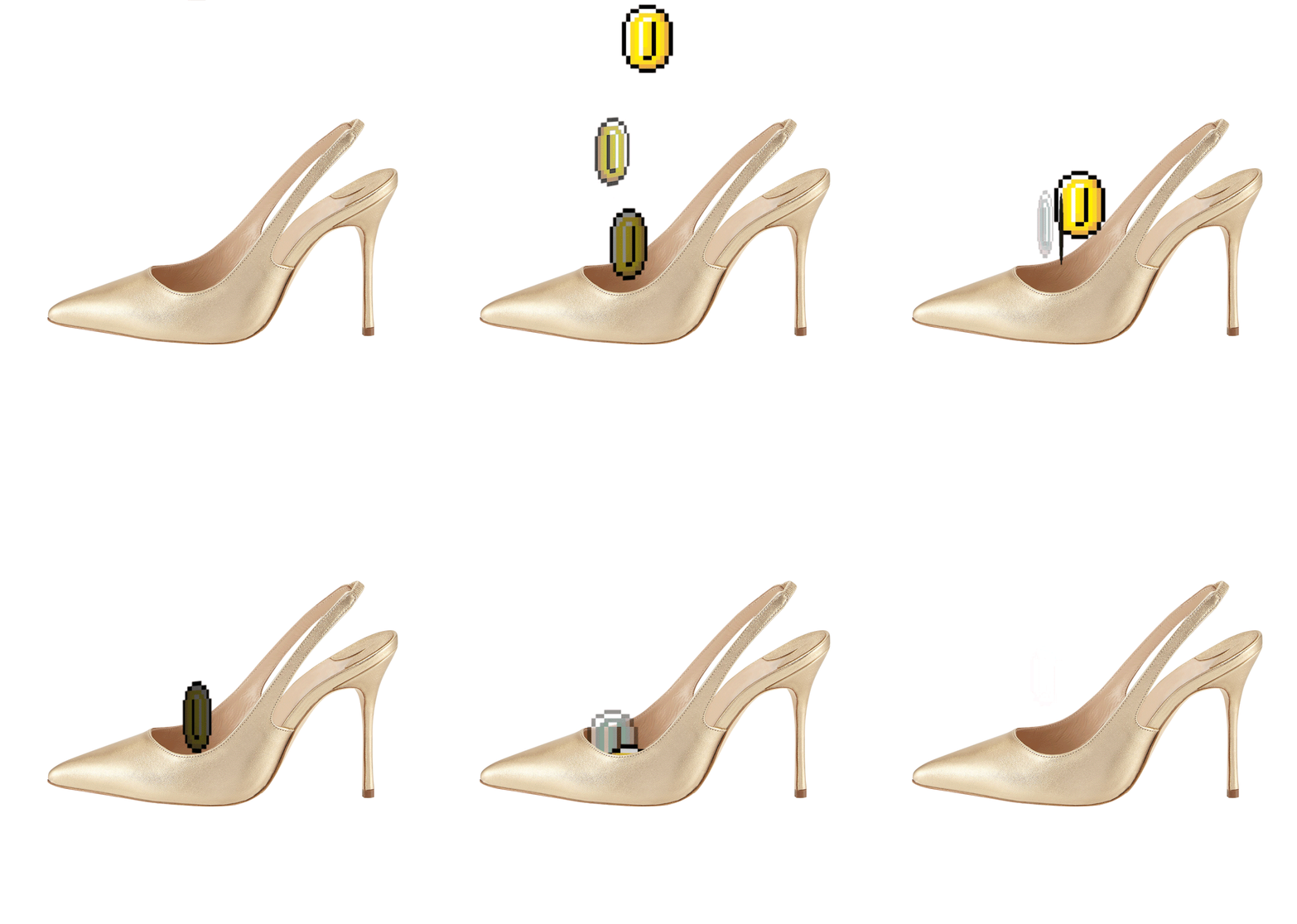
That SATC episode ‘A Woman’s Right to Shoes’ aired in 2003, but I have been thinking about it non-stop recently. Carrie’s quote, above, is part of a ranting conversation with Charlotte after her Manolo Blahniks were stolen from a baby shower she attended. She took them off at the request of the host, who subsequently refused to pay for them and told Carrie to get “a real life.” It’s iconic and hilarious, but fifteen years on should it still be so relatable?
Next year, I will attend four different weddings. I will be a bridesmaid for one, and I will travel abroad for another. Not surprisingly, I have spent a lot of 2018 talking about these weddings, the preparation and what they will entail. It’s not that I’m not happy for my friends and family. It’s the fact that I am expected to squeal with joy each time the occasion gets mentioned, or hang off every word about color schemes and table decorations.

Image: Mary Zet
On top of that, and where Carrie’s quote comes into all of this, is how much 2019 will cost me financially to celebrate all of these people’s life choices. Having a wedding is a personal choice, and of course, that’s fine. People have quite literally fought for their right to be able to do so, but on the other hand, it’s also totally fine not to. Even still, that’s a life choice we don’t seem to celebrate.
As Carrie rightly points out “Hallmark doesn’t make a ‘Sorry You Didn’t Marry the Wrong Guy’ card.” Granted, in our current online shopping-scape, I’m pretty sure you could find someone, somewhere who makes that card. But it still feels somewhat depressing that fifteen years later not much has changed in the way of life milestones.
Getting engaged, getting married, having kids and owning property (not necessarily in that order) is what we are taught equals real success and stability. I like to believe that attitudes are changing, mainly due to my generation being much less financially stable than the former, but that very much feels like the template and the only occasions which are considered worthy of a large celebration.
The Knot published a survey this year stating that the average U.S. wedding now costs $33,391. Now I don’t know about you, but that’s a pretty lavish party by my standards, especially as it’s higher than the average household annual salary which comes in at $61,372.
As someone who has recently gone freelance, the concept of a salary feels like a distant memory. I currently live my life from invoice to invoice, with short, frantic bursts of selling my belongings online. But this is a life choice, which I made willingly. I quit my well-paid job to pursue my dream – and where’s the card for that?
As each wedding invitation has come through the door, and group chats ping off about bachelorette parties, my first thought has simply been “How will I afford this?” Never mind how much the average wedding costs, what about how much it costs to be an average wedding guest? Let’s take my friend who is getting married abroad for example. Not only do I need to book flights and accommodation for the wedding, but I will also need to buy something new to wear and a gift.
Maybe just about do-able, but her bachelorette party will take place in the south of England, so that’s another trip away. In true Carrie style, I have calculated that the minimum cost I will spend on celebrating her life choice is $1,265.77. And I guess that’s okay because she’s one of my oldest friends, and to bring Charlotte’s point of view in here, “If you got married or had a child, she would spend the same on you.” But, back to Carrie, “And if I don’t ever get married, or have a baby, what? I get bupkis?”
At the risk of sounding like a bitter old hag, people rarely ask about my own life choices and what they might be. Yes, I have been to plenty of engagement parties where people ask when my boyfriend and I are getting married. But the response of “I think the sanctity of marriage is bullshit” or “I’m not sure I want to get married” or “I think the concept of marriage is sexist” rarely seems to go down too well. Which I’ve never understood, because you asked me a question, and I answered it.

Image: Mary Zet
It’s okay not to want to get married. It’s not a requirement of being alive, on this planet, and nor is it the key to lifelong happiness. Surely we’ve worked that out by now. Or maybe I need to go to some different parties?
I feel I am at the age where this is starting to become an issue, but am not at peak Carrie frustration level yet. And I hope I never get there. I want to make a conscious decision to celebrate people’s other life achievements – be it quitting a shitty job, ending a stale or destructive relationship, changing a hairstyle or managing to save for a holiday. Because every milestone is valid, and life is fucking hard.
It can be a simple act of saying congrats or buying a drink to say well done. A change in language can have a significant effect on people who already feel self-conscious about their path in life. Instead of asking who’s dating who at the moment, let’s ask what are you working on currently? How’s your mental health? How’s your family?
Let’s have more difficult conversations, and change small talk to mean something. It might mean we shift society from the bottom up, and fewer people will get married and have lavish celebrations, but that means broke people like me get to spend less money on them. So, everyone wins really.
The history and psychology of turtlenecks
Whether it was said out loud or not, turtlenecks played a crucial role in history. They went from being practical to a uniform for intellectuals to a riposte to the trends that existed before it.
In 2013 the New York City trend forecasting agency, K-Hole coined the term and fashion Normcore. This group introduced the world to an anti-trend domino effect that fully embraced “sameness deliberately as a new way of being cool, rather than striving for ‘difference’ or ‘authenticity.’”
In some ways, Normcore reintroduced pieces from 90s fashion, bringing back turtlenecks as a traditional symbol of status. But long before Normcore existed and even before Gen Zers adopted Acne turtlenecks as their saviors and dressed à la Drake––thank you ‘Hotline Bling’––a fascinating and often forgotten history of turtlenecks exists.
The sweater dates back to the 1800s where maintaining an adequate body temperature surpassed chicness in importance. Turtlenecks were considered utilitarian garments, predominantly worn by men. Whether it was fishermen or polo players, these “polo necks” were sought after by working men and athletes due to their practicality.
It wasn’t until the early 20th century when the “Gibson Girl” look began to linger in women’s fashion that the turtleneck’s reputation shifted.
After drawing up various illustrations of the “Gibson Girl,” artist Charles Dana Gibson deemed and popularized the feminine ideal of that time. The look was a personification that visually associated higher-than-usual necklines in clothing with women who were beautiful, active and culturally adept.
This new type of woman he drew up was graceful and talented, yet adventurous and alluring. She was basically unflawed and looked all the more perfect in turtlenecks. (Gags)
Years passed and the sweater evolved into a seductive staple used to please the male gaze. (Rolls eyes) Hollywood icons, like Jayne Mansfield and Lana Turner, wore them in smaller sizes to emphasize their bust. They helped make the turtleneck sexy.
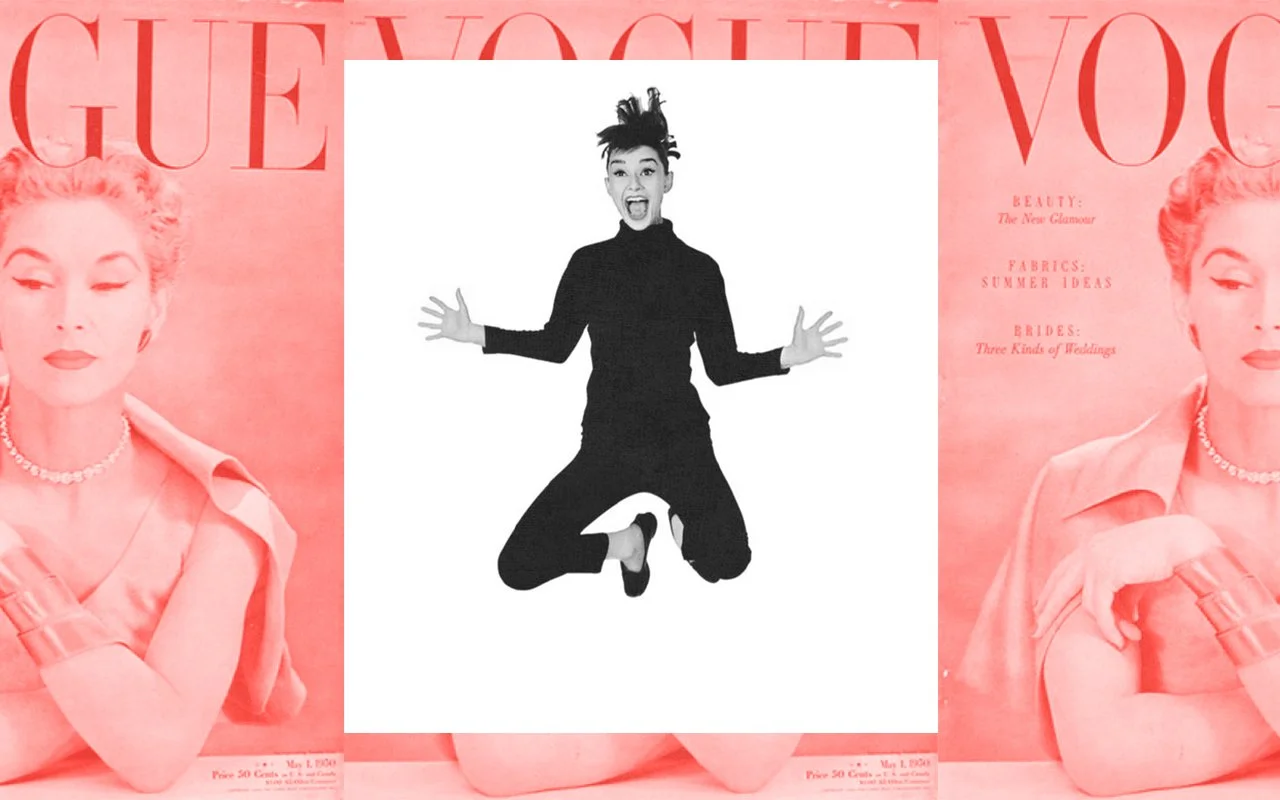
But, when Audrey Hepburn wore it in her 1957 film ‘Funny Face’, she solidified the connection between the turtleneck and the “radical academics, philosophers, artists and intellectuals” who wore it.
She refreshed the piece and made it timeless.
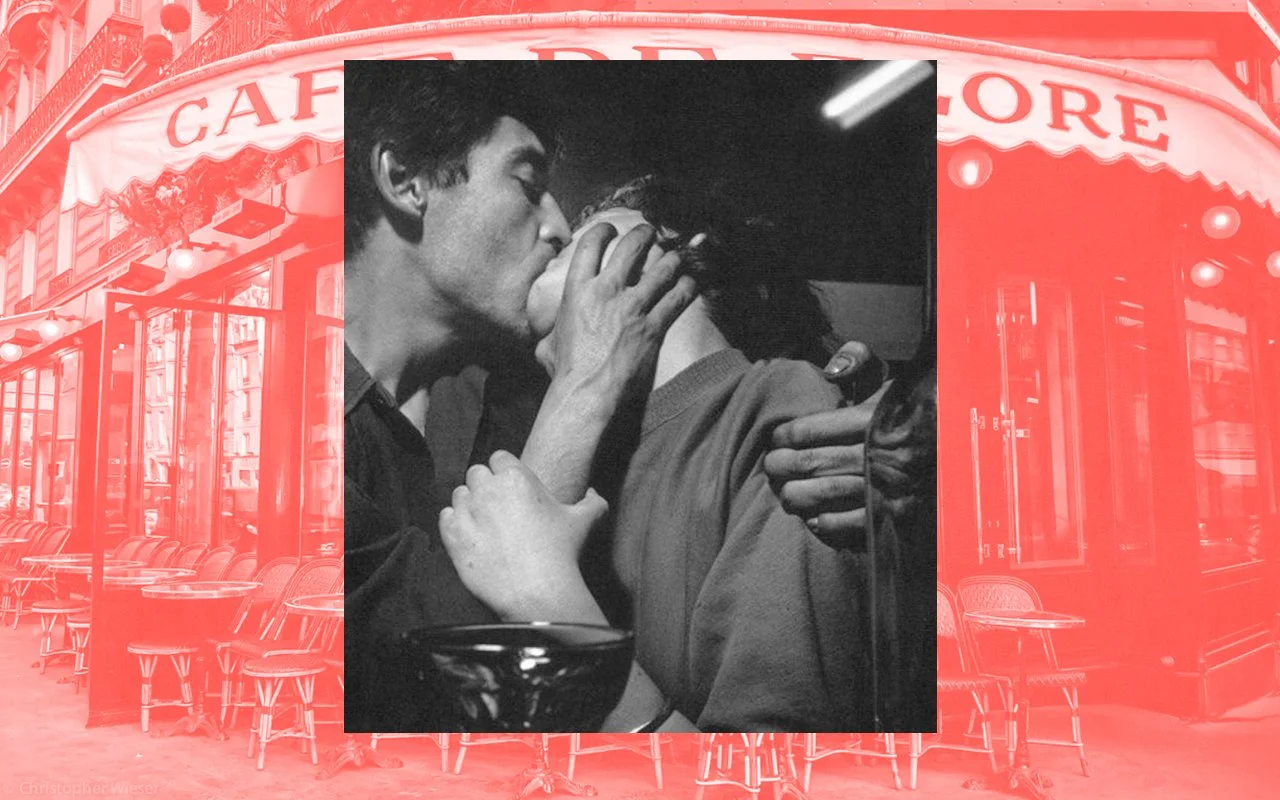
“Conversations were not loud; the air was serious, books stood between glasses, and the lighting was decidedly dim…Men wore corduroy jackets, turtlenecks, dirty trench coats, their hair a little too long, while women wore no make-up. Nobody was dressed fashionably, but everyone had style,” says journalist Agnès Poirier of a time when French intellectuals frequented Café de Flore on the left bank in Paris.
The “French intellectual” Poirier describes, perfectly embodies the type of folks who flaunt turtlenecks. This idealization of Parisian writers, artists and painters was an essence in itself that so many wanted— and still want–– to forge.
The turtleneck went from being simple and practical to a symbol that subcultures with people of ironic personalities welcomed with open arms. Whether it was praised out loud or not, this getup played a crucial role in the attitudes of these people. Wearing one meant a person had an effortlessly put together vibe about them.
Who better to embody those intrinsic natures than feminists?
In the midst of second-wave feminism, turtlenecks became a ’70s wardrobe must-have. Suddenly, it was another type of uniform that represented power. Female activists like Dorothy Pitman Hughes and Gloria Steinem wore them for this reason.
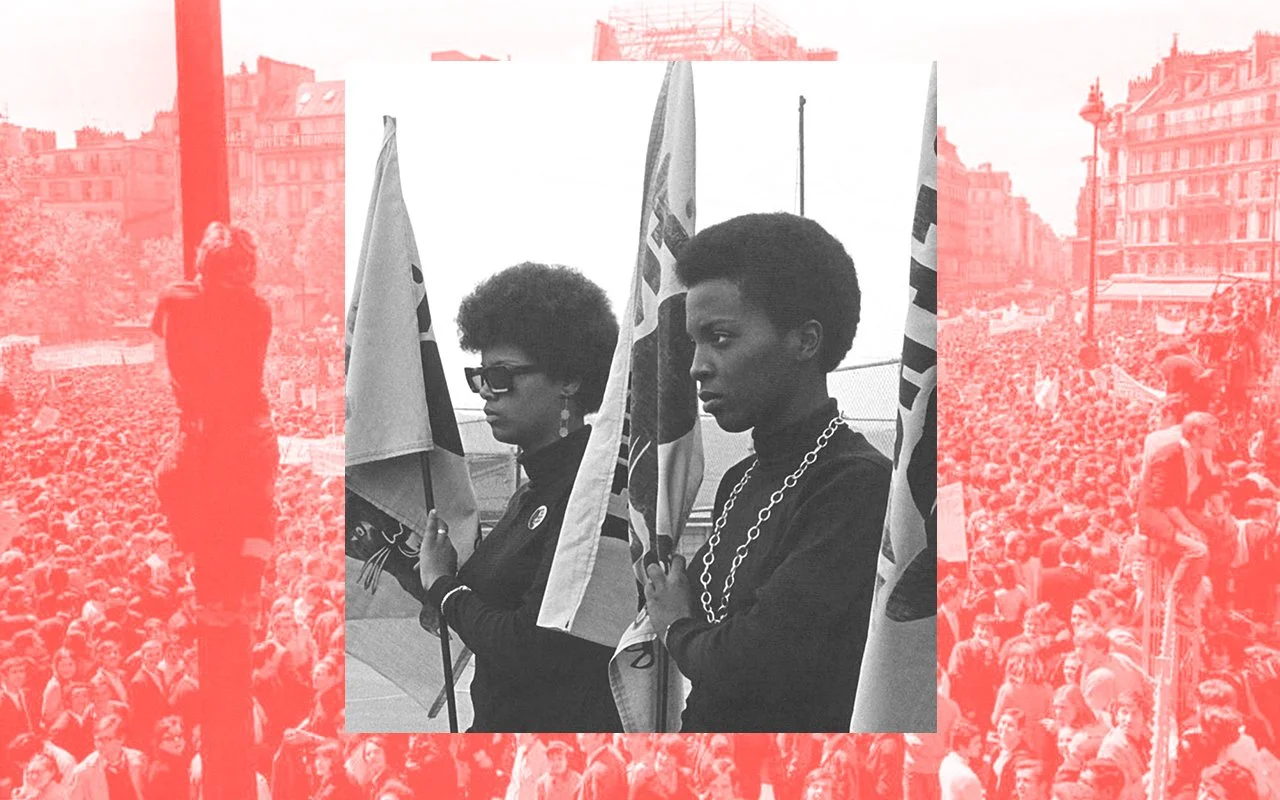
Simultaneously, the Black Panthers influenced the rise of anti-war movements and impacted the arts and culture community. Although it’s possible they only had the singular goal of creating a highly recognizable uniform, their infamous look made a long-lasting impression in all of popular culture.
Their black berets, natural hairstyles and turtlenecks played a major role well beyond the ’70s. This group effortlessly embodied a non-Eurocentric standard of beauty, attitude, and style that was adopted by the fashion, music and art communities.
The Black Panthers not only left a mark on the radical social movements of that time, but they also helped others see beauty and fashion in different lights.
Unknowingly or not, this piece of clothing was far more than just a trend. This feminist or anti-capitalist style further defined the fashion statement behind the garment. When a person wore it, the turtleneck told a silent story of their impressive nature.
It was a statement in itself that transpired through generations, each time slightly different in aesthetics, but still carrying out the same powerful message of the wearer. It carried meaning and spoke for a person before they even opened their mouths.
Whether we think about it or not, the psychological reason to why we wear turtlenecks has permeated through the garment itself to represent those who color outside the lines but also want to be taken seriously. It creates a sense of importance around someone while not being overly serious. It sends this anti-establishment message, while not taking on the role of a try-hard.
Regardless of how powerful the sentiments, the style hit a wall and slowly became “uncool” through the ’80s and ’90s.
So, that brings us to the early 2000s. We all know the aughts were a weird, lawless ball of confusion. During this time, turtlenecks stopped being worn by people with laissez-faire attitudes. For reasons unknown, they somehow morphed into a costume for prudes and the overly modest.
“I can’t get past your damn turtleneck!” Jack Nicolson’s character in ‘Something’s Gotta Give’ screamed during a sex scene.
The 2003 film dressed Diane Keaton’s character in turtlenecks to perfectly represent her caged-in sexuality and the perception turtlenecks had taken on. But, thank God that connotation didn’t last long.
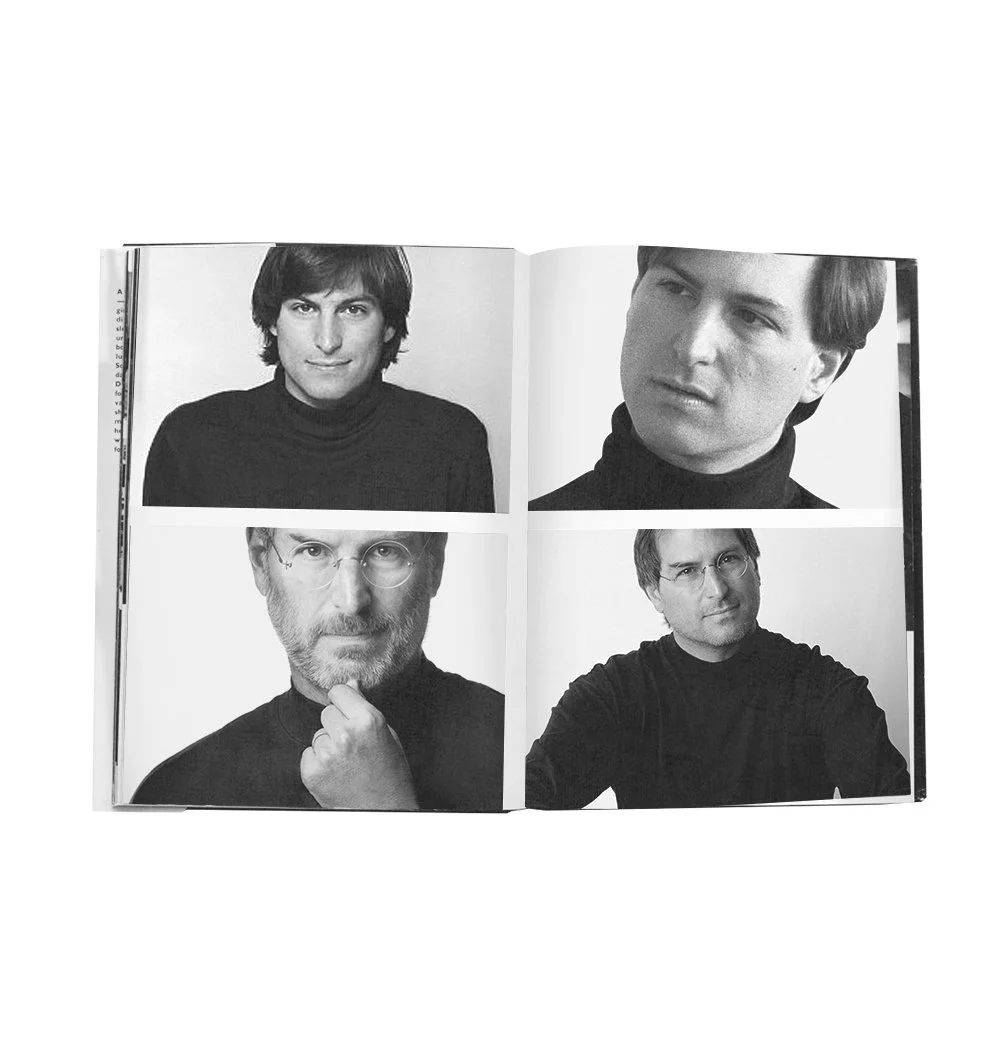
Amid the weirdness, Apple mogul Steve Jobs’ signature look was rising in popularity. He was bringing back the turtleneck’s power. For him, wearing a turtleneck was a way of being remembered while remaining uncomplicated and unpretentious.
Jobs’ black turtleneck and jeans combo did not succumb to the pressure of following trends, although it ironically created one at the same time. His style was evidently turned into a major fashion and attitude statement––a normcore muse if you will.
Cue, Theranos CEO Elizabeth Holmes.
After Jobs’ iconic look was solidified as one that signified creativity, power, and triumph, Holmes, a Silicon Valley entrepreneur decided to use that to her advantage. She often dressed in a black turtleneck and jeans, like Jobs, only to finagle money from potential investors.
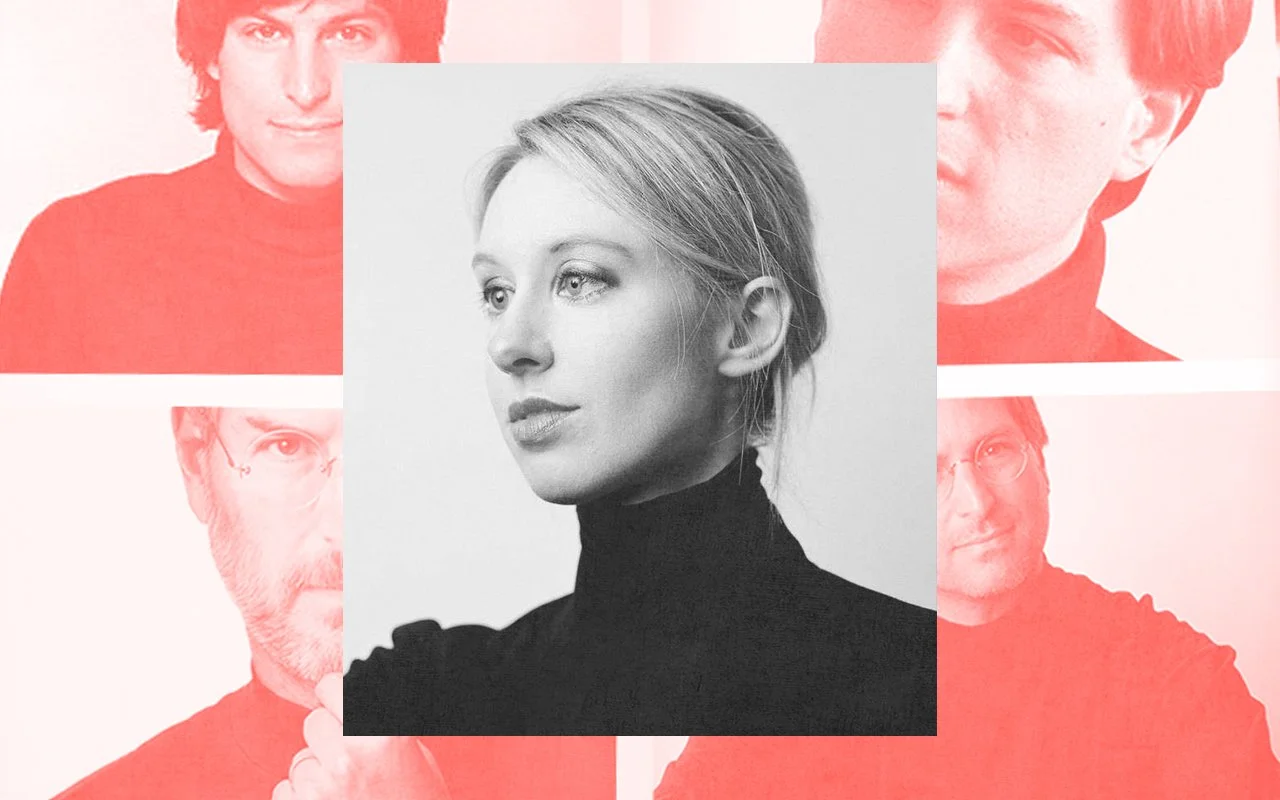
She created a false persona of a trustworthy innovator with a turtleneck that was once worn by those truly worthy. Now, this Jobsian uniform seems like a mere illusion of success.
The psychological reasoning behind the turtleneck’s permanence and those who parade it is that it was continuously donned by those who wished to reject any one set of ideas or values—whether in fashion, society, culture or beyond.
In a sense, it doesn’t really matter if people like Holmes or Diane Keaton’s character create a bad or weird interpretation of the turtleneck. Be it polo players, activists, hip-hop artists or tech moguls, the possibility of seeing turtlenecks reinterpreted in ways that run the gamut of its history remains within reach.